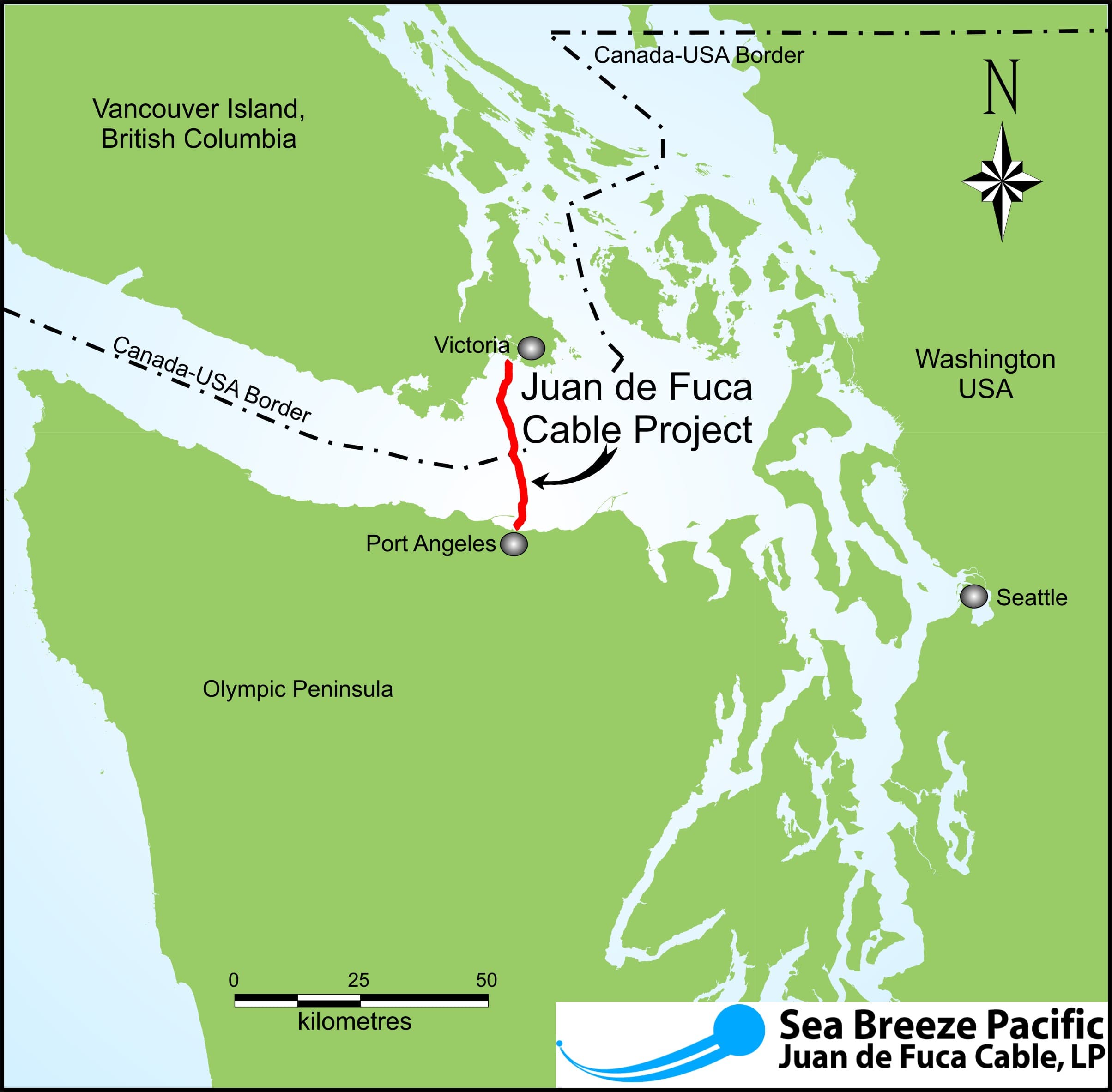
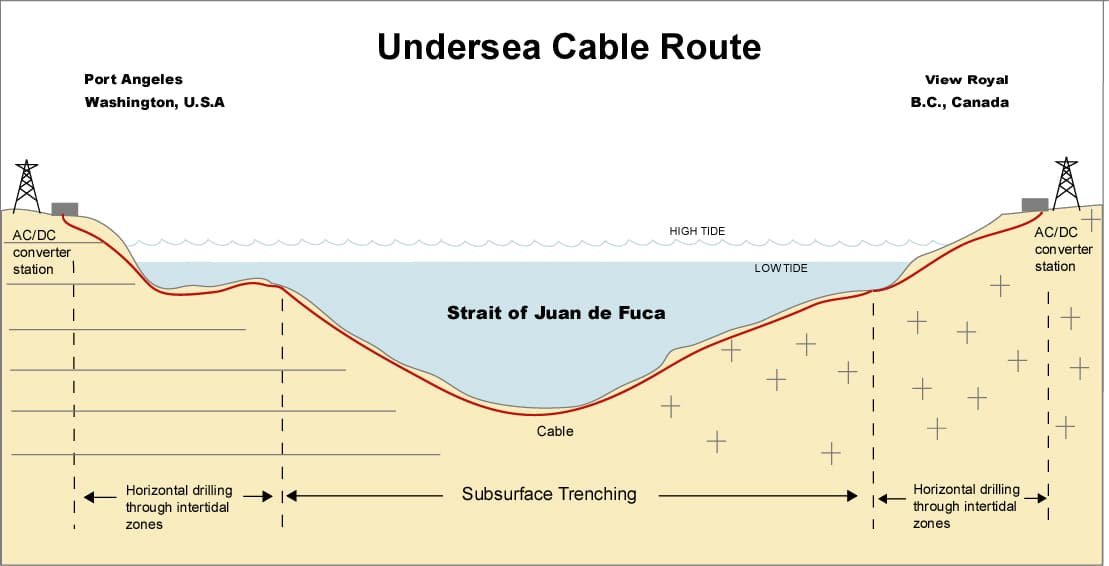
Phase 1 — HVAC 230 kV interconnection
Initial energization uses standard high-voltage AC transformation and switchgear at each endpoint. Because BPA and BC Hydro both operate synchronously within the Western Interconnection, a 230 kV AC tie integrates directly into both systems, delivering 600 MW of firm cross-border transmission capacity from the day the corridor is energized. Faster to build than a Day-1 HVDC installation, lower first-phase capital, and immediately usable for market and reliability purposes.